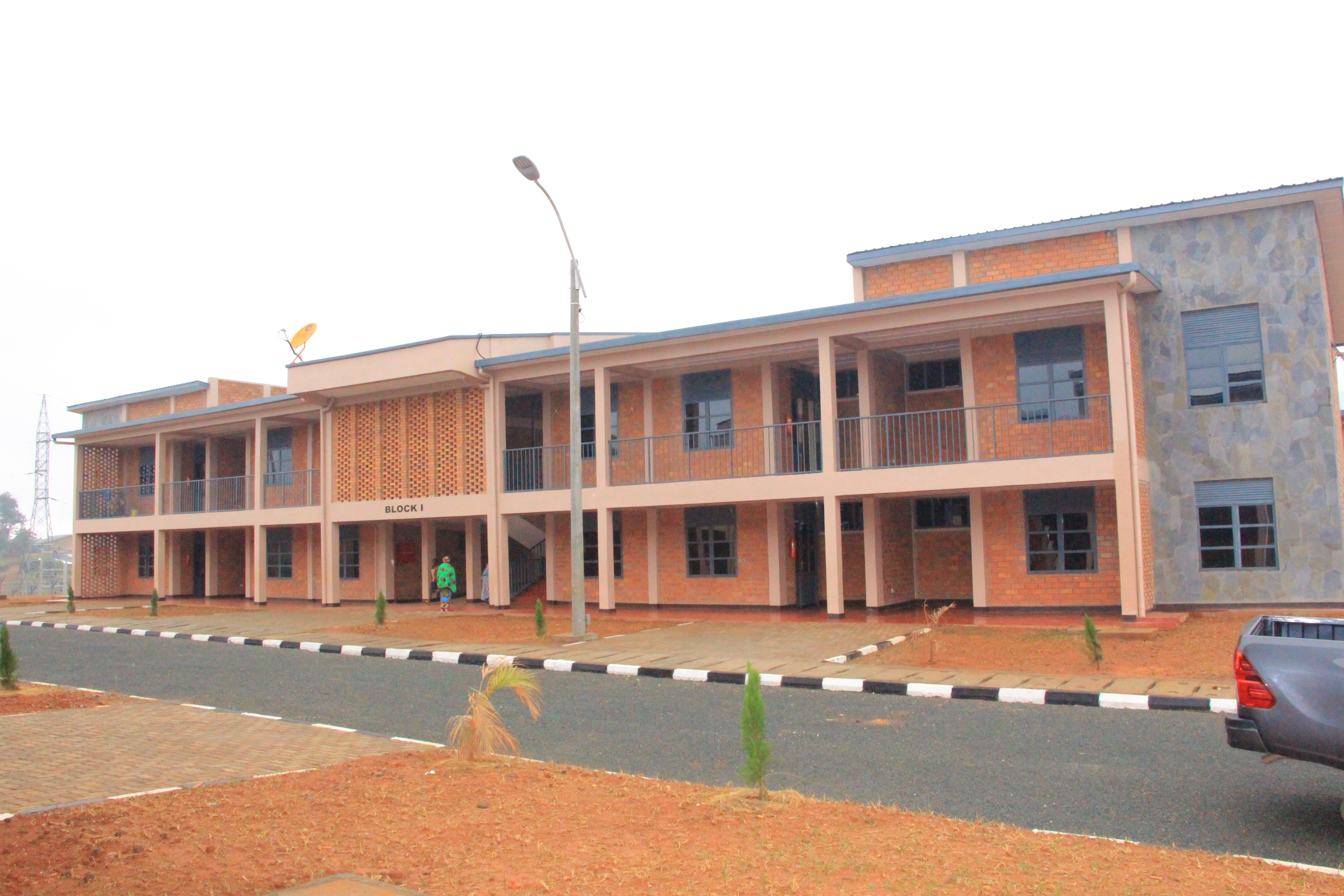
HOW GREEN ECONOMY PROJECT TRANSFIGURED MUDENDE IDP MODEL VILLAGE
The Government of Rwanda (GoR) has demonstrated a strong commitment to transform Rwanda’s economy to a Green Economy. This intent is well articulated in the National Strategy for Transformation (NST1; 2017-2024) and the Green Growth and Climate Resilience Strategy (GGCRS).
In order to engage new national actors, successful business cases of green economy transformation needed to be demonstrated, scaled up and owned by stakeholders. To create entry points for GGCRS demonstration, some areas were identified. The first area was to bridge the scale up of Green Villages.
Although the concept was taken to be scaled by the Ministry of Local Government (MINALOC) and Rwanda Housing Authority (RHA) through the Integrated Development Program (IDP) Model Villages, priority has been on the relocation of the vulnerable population from disaster prone areas and the construction of new villages.
The Green Village concept was designed to demonstrate how addressing poverty related environmental problems such as soil erosion, inadequate access to water, deforestation and clean energy, among others, can help achieve national development goals and priorities. From the introduction of this concept, many Stakeholders have channeled various interventions in these villages with the aim to improve national systems to pursue a green economy approach to economic transformation.
Within this framework, partnering with United Nations Development Program (UNDP), the Ministry of Environment (MoE) implemented the “Strengthening Capacities of the Environment and Natural Resources (SCENR) Sector for Green Economy Transformation” program, under which support to the Scaling up of Green Villages concept through Rwanda Housing Authority (RHA) and Districts were enhanced and institutionalized.
To this purpose, since 2019, the Government of Rwanda started to implement the green model village in Mudende IDP Model village, located in Rubavu District where different activities related green components were implemented to improve the livelihoods of families living in the Village.
Amongst the completed activities include construction of cowshed for 20 cows, 50m3 water tank, 6.9mx5.6m compost pit, provision of 44 hybrid cows to households, plantation of 500 avocado fruit trees-on, hands-on trainings on manure composting, solid waste management and commercialization, trainings on livelihood project development, training on project management and sustainable management of provided green components, Supply of cowshed equipment (milk cans, grass cuter machines, wheelbarrow, sprinklers, and brush for cleaning), Acquisition of land for cow fodder multiplication, to mention but a few.
To better utilize provided support, residents formed two cooperatives for Adults and Youth. Mr. Eliam Nzabonimpa is the President of ISHEMA cooperative for adults. He said that provided green components changed their lives significantly.
“We were living in a high risky zone in a needy life. The support helped us to develop and improves our lives, as we are no longer facing malnutrition related diseases. We are proudly contributing in climate change mitigation and we boosted our produce due to agroforestry”, witnessed Mr. Eliam.
For Youth cooperative named AMIZERO Y’ISHEMA, they said that through Green Village project, they fought against joblessness.
“We received nearly Twenty million grant which we used to start a business oriented tree nursery. We also acquired more than one-hectare land which we use for agriculture purposes.” Said Solange Nyiramuhire, member of AMIZERO Y’ISHEMA Cooperative.
Residents from Mudende IDP Model Village were also provided with a grant for constructing a new cowshed for 30 cows and acquisition of 2 Ha to implement Irish Potatoes farming project and another to Amizero y’Ishema youth cooperative for acquiring 1 ha of land and nursery seed bed establishment and fruit tree plantation project.