Hazardous asbestos roofing removed from over 80% Rwandan buildings
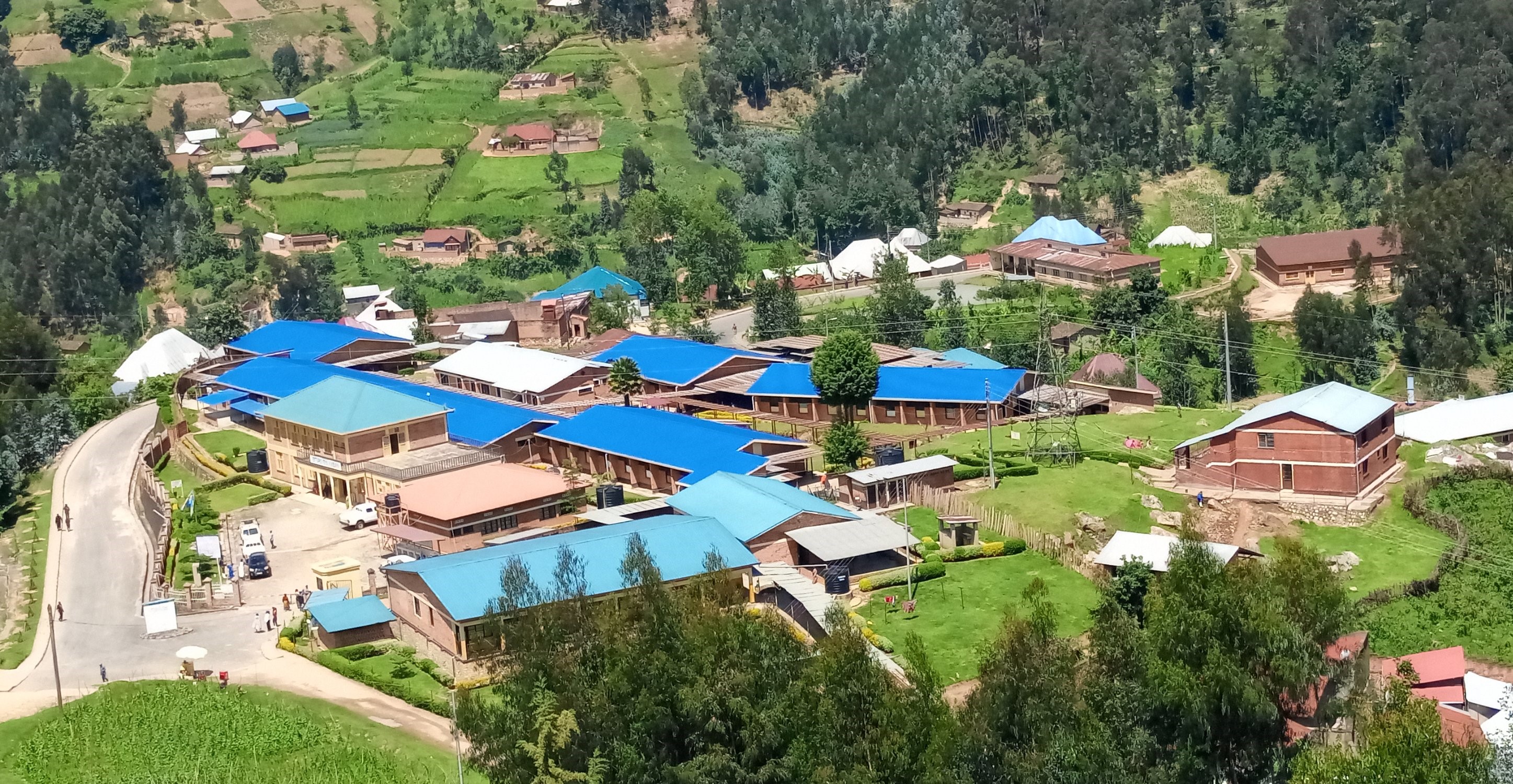
As of October 31, Government aided the removal of about 1.4 million (82.4 per cent) square metres of asbestos roofing from public and private buildings in the country.
The latest progress is in comparison to 1.69 million square metres of roofs countrywide that were made of asbestos. Some 300, 124 square metres of asbestos roofing still need to be removed. If poorly disposed of, asbestos fibre can be a dangerous indoor air pollutant and hazardous to human and animal health.
Health experts say the more one is exposed to asbestos, the greater the chance of developing lung cancer, asbestosis and mesothelioma, a type of cancer that develops from the thin layer of tissue that covers many of the internal organs. Asbestosis is a chronic lung condition that is caused by prolonged exposure to high concentrations of asbestos fibers in the air.
In general, an area of 81.8 per cent of government buildings no longer has asbestos roofing while 83 per cent of residential and private institutions’ houses no longer have asbestos.
“Whoever has materials made of asbestos should first consider health and save lives. As the government strives to eliminate asbestos, people who still have them should follow suit to ensure their elimination,” Said Mathias NTAKIRUTIMANA, Coordinator of Asbestos Removal Project at RHA.
How provinces are faring in removing asbestos
Eastern Province leads in terms of eliminating asbestos, with a removal rate of 92.7 per cent.
The City of Kigali stands at 92.5 per cent, Northern Province at 84.9 per cent, Western Province at 75.1 per cent and Southern Province at 73.6 per cent.
“We are sensitizing people to change their mindset. They should understand that it is no longer difficult to remove asbestos because many technicians have been trained. They can replace asbestos with affordable iron sheets. It is not something we are requiring them to do in one day.
They should have a plan and a target,” he said.
Ntakirutimana said the government trained builders’ cooperative members, police officers, land managers, members of the reserve forces, and correctional service officers, among others.
“These also help to report cases of buildings that still have asbestos. The removal of asbestos is very urgent,” he said.
Talking about budget constraints, Alphonse Rukaburandekwe, the Director General of Rwanda Housing Authority, said that “currently, budget is not the main challenge to eliminate asbestos since the government put in more effort and achieved the asbestos elimination rate of more than 80 per cent.”
He said owners of buildings with asbestos were informed and asked to fast-track the removal of asbestos.